

UAE Launches First Licensed iGaming Platform with Crypto Integration

Recommended casinos
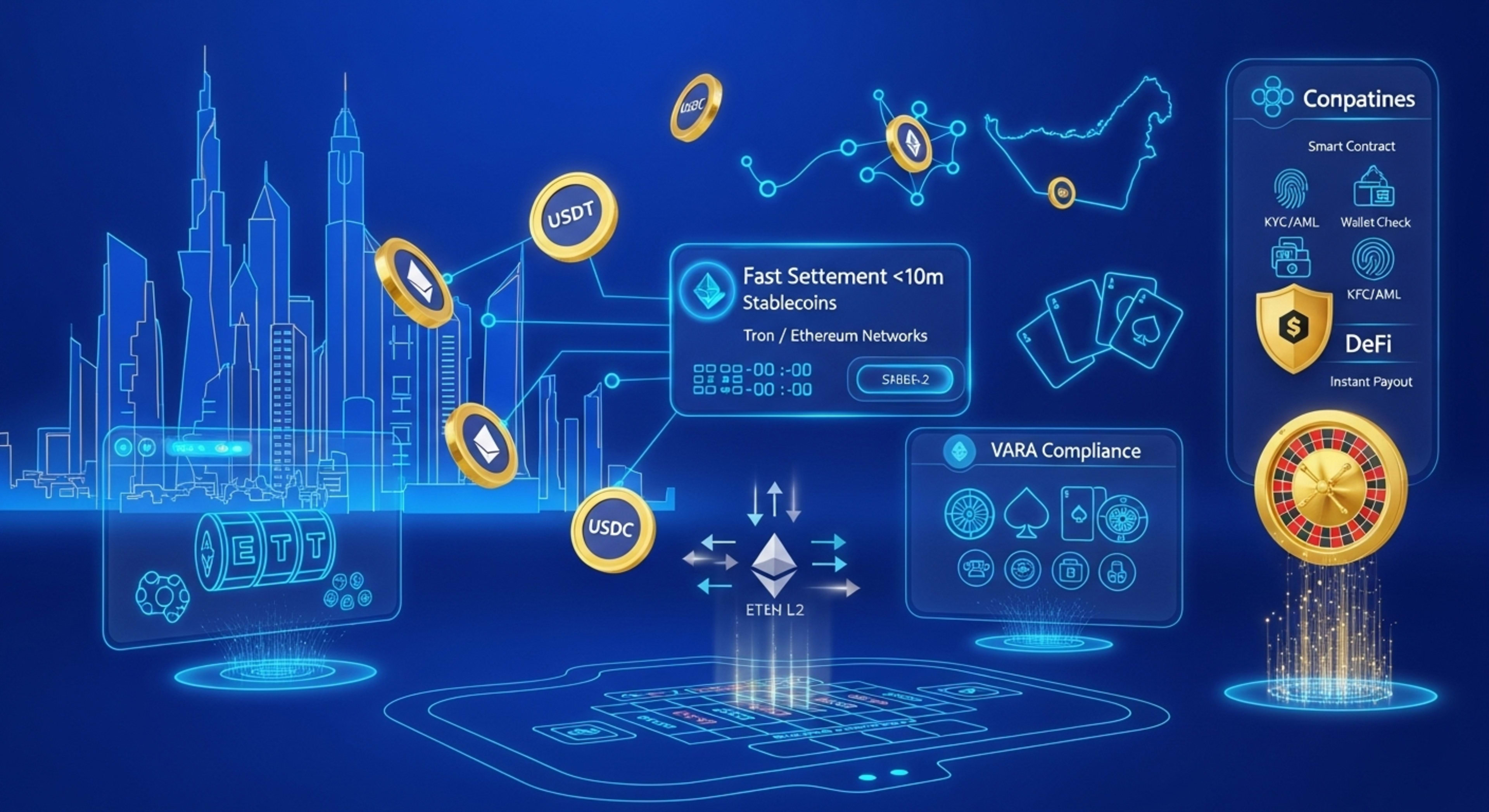
Play 971, the United Arab Emirates' inaugural licensed iGaming platform, has gone live under the oversight of Coin Technology Projects, marking a pivotal step in the region's embrace of blockchain-enabled gambling. Developed in partnership with Dubai-based blockchain firm Coin Technology, the platform supports cryptocurrency deposits and withdrawals via stablecoins like USDT on the Tron and Ethereum networks, alongside fiat options through local gateways. This launch addresses long-standing barriers in the Middle East, where traditional banking restrictions have limited access to online gaming, and positions the UAE as a hub for crypto-friendly wagering in the Gulf.
The integration leverages blockchain for transparent transaction logging and provably fair gaming, enabling players to verify outcomes using public ledgers without intermediaries. Supported tokens include USDT and USDC, with settlements processing in under 10 minutes—far surpassing the 24-48 hour delays common in fiat systems—while network fees remain below 1% for most transfers. This setup not only enhances user privacy through wallet-based anonymity but also complies with the UAE's VARA (Virtual Assets Regulatory Authority) guidelines, which mandate anti-money laundering checks via on-chain analytics.
Key Takeaways
- Operators gain seamless multi-currency support, enabling expansion into high-growth Gulf markets with reduced compliance overhead through VARA-aligned tools.
- Players benefit from instant, low-cost payouts, with blockchain verification boosting trust in a region wary of unregulated platforms.
- Regulators signal broader adoption, as the UAE's framework could influence neighboring jurisdictions, such as Saudi Arabia, to pilot similar crypto gambling licenses.
The platform's rollout coincides with the UAE's aggressive push into Web3, following VARA's 2024 stablecoin approvals and Dubai's free zone incentives for blockchain firms. Play 971 features over 2,000 slots, live dealer tables from Evolution Gaming, and sports betting on regional leagues, all optimized for mobile via a native app. Technical implementation involves smart contracts on Ethereum Layer 2 for scalable, gas-efficient bets, ensuring sub-second finality and scalability for peak loads up to 50,000 concurrent users.
Compliance remains central: All transactions undergo automated KYC via biometric wallet linking, aligning with FATF standards without disrupting flow. This contrasts with Curacao's lighter touch, offering operators like Coin Technology a competitive edge in attracting institutional partners. Geographically, the platform targets the GCC (Gulf Cooperation Council) bloc—spanning the UAE, Qatar, and Bahrain—where crypto adoption has surged 40% year-over-year, per Chainalysis data. Yet, gambling access lags due to Sharia-based prohibitions that are now easing via regulated sandboxes.
Market impact is immediate: Early projections estimate $500 million in annual wagers, fueled by the UAE's 9 million expat population and the influx of tourists. For users, this means frictionless experiences—deposit USDT, bet on a virtual roulette wheel verified by oracle feeds, and withdraw winnings to a non-custodial wallet—all within minutes. Operators report 25% higher retention at this speed, as blockchain eliminates the chargeback risks plaguing fiat ramps.
Why Tron and Ethereum? Tron's low fees (under $0.01 per tx) suit micro-bets, while Ethereum's security appeals to high-rollers; future upgrades may add Solana for even faster rails. Timeline-wise, full rollout completes by Q1 2026, with beta testing yielding 95% uptime. This development underscores the UAE's vision: transforming Dubai into "Crypto Capital of the Middle East," where gambling evolves from taboo to tech-driven revenue stream.
Sources: SiGMA News, Next.io